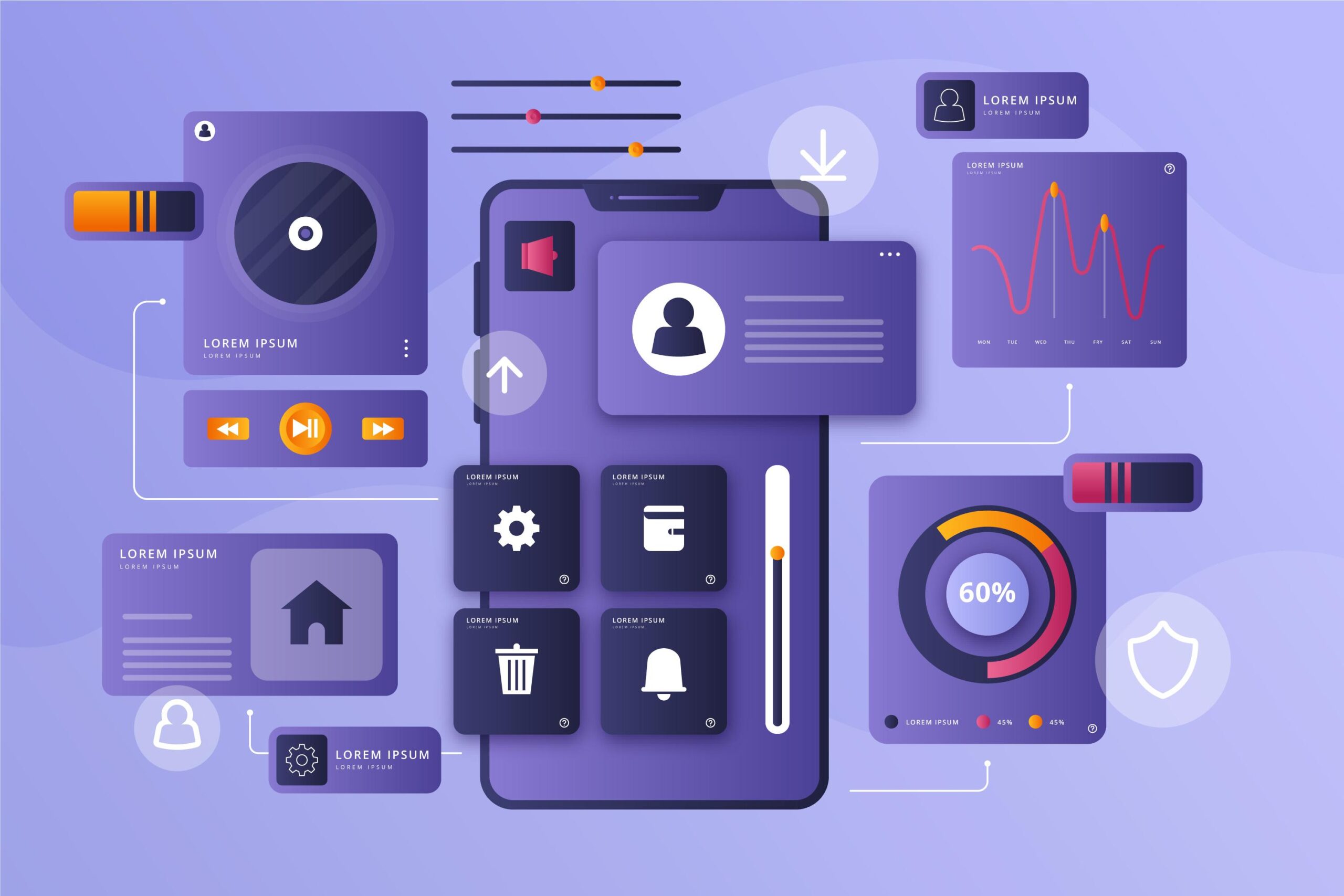
Is UI/UX Still Relevant in 2025? The Intersection of Design and Web 3.0
As we step further into the digital age, the question arises: Is UI/UX design still relevant in 2025? The short answer is a resounding yes. In fact, UI/UX design is more critical than ever, especially as we navigate the complexities of Web 3.0 and the evolving digital landscape. Let’s explore why UI/UX remains indispensable and how it intersects with the decentralized, user-centric world of Web 3.0.
The Evergreen Importance of UI/UX
User Interface (UI) and User Experience (UX) design have always been about creating intuitive, accessible, and enjoyable interactions between humans and technology. While the tools and technologies have evolved, the core principles of UI/UX remain unchanged: understanding user needs, solving problems, and delivering seamless experiences.
In 2025, as technology becomes even more integrated into our daily lives, the demand for exceptional UI/UX will only grow. Whether it’s a mobile app, a website, or a decentralized application (dApp), users expect interfaces that are not only visually appealing but also easy to navigate and efficient. Poor design can lead to frustration, abandonment, and ultimately, failure—no matter how groundbreaking the underlying technology may be.
The Rise of Web 3.0 and Its Impact on UI/UX
Web 3.0, often referred to as the decentralized web, is reshaping the internet as we know it. Built on blockchain technology, Web 3.0 promises a more transparent, secure, and user-controlled online experience. However, this new paradigm comes with its own set of challenges for UI/UX designers.
1. Complexity vs. Simplicity
Web 3.0 introduces concepts like blockchain, cryptocurrencies, smart contracts, and decentralized identity, which can be overwhelming for the average user. The challenge for UI/UX designers is to simplify these complex ideas into intuitive interfaces. For example, how do you design a wallet interface that makes sending and receiving cryptocurrency as easy as sending an email? This is where UI/UX plays a pivotal role in bridging the gap between cutting-edge technology and user adoption.
2. Trust and Transparency
One of the core tenets of Web 3.0 is trustlessness—users don’t need to rely on intermediaries. However, this doesn’t mean users don’t need to trust the interface itself. UI/UX designers must create experiences that instill confidence, clearly communicate actions (e.g., confirming a transaction), and provide transparency without overwhelming the user.
3. Personalization and Ownership
Web 3.0 empowers users with ownership of their data and digital assets. This shift requires UI/UX designers to rethink how personalization works. Instead of relying on centralized algorithms, designers must create interfaces that allow users to control and customize their experiences while maintaining privacy and security.
UI/UX Trends Shaping 2025
As we look ahead, several trends are shaping the future of UI/UX design, especially in the context of Web 3.0:
1. Voice and Gesture-Based Interfaces
With the rise of AI and IoT, voice and gesture-based interactions are becoming more prevalent. UI/UX designers will need to adapt to these new modes of interaction, ensuring they are as intuitive and user-friendly as traditional interfaces.
2. Immersive Experiences (AR/VR)
Augmented Reality (AR) and Virtual Reality (VR) are no longer futuristic concepts—they’re here. In Web 3.0, these technologies can create immersive experiences for users, such as virtual marketplaces or decentralized social platforms. Designing for 3D spaces requires a new set of UI/UX skills and principles.
3. Ethical Design
As users become more aware of data privacy and ethical concerns, UI/UX designers must prioritize ethical design practices. This includes designing for inclusivity, accessibility, and transparency, especially in decentralized systems where users have more control over their data.
4. AI-Driven Personalization
Artificial Intelligence (AI) is playing a bigger role in UI/UX design, enabling hyper-personalized experiences. In Web 3.0, AI can help users navigate decentralized ecosystems by providing tailored recommendations and insights while respecting their privacy.
The Role of UI/UX in Web 3.0 Adoption
For Web 3.0 to achieve mainstream adoption, it needs to be accessible to everyone—not just tech-savvy individuals. This is where UI/UX designers come in. By creating user-friendly interfaces and seamless experiences, designers can lower the barrier to entry and make decentralized technologies more approachable.
Consider the early days of the internet: it was the intuitive design of platforms like Google and Facebook that drove mass adoption. Similarly, the success of Web 3.0 will depend on how well designers can translate its complexities into experiences that resonate with everyday users.
Conclusion: UI/UX is Here to Stay
In 2025 and beyond, UI/UX design will remain a cornerstone of digital innovation. As Web 3.0 continues to evolve, the role of designers will only become more critical. They are the bridge between groundbreaking technology and the people who use it. By prioritizing simplicity, trust, and user empowerment, UI/UX designers will not only shape the future of the internet but also ensure that it remains inclusive and accessible for all.
So, is UI/UX still relevant in 2025? Absolutely. In fact, it’s more important than ever. As we embrace the decentralized, user-centric world of Web 3.0, the art and science of UI/UX design will continue to guide us toward a better digital future.
What are your thoughts on the future of UI/UX in the age of Web 3.0? Let’s discuss in the comments!